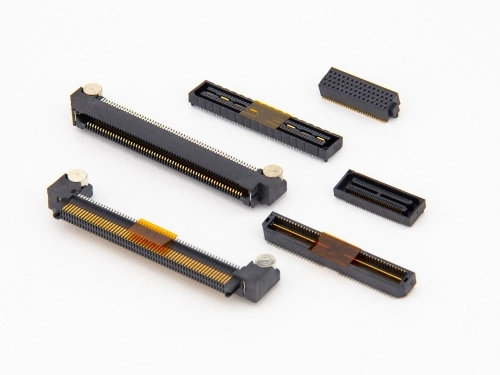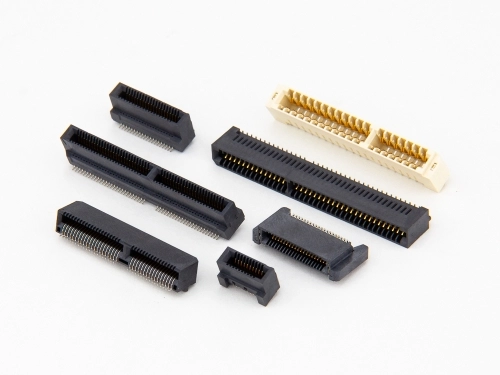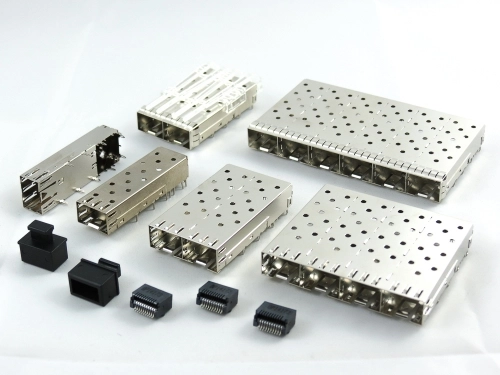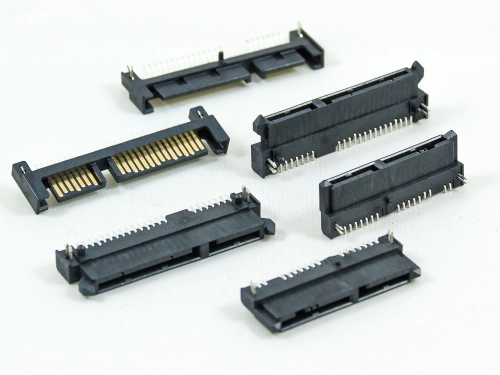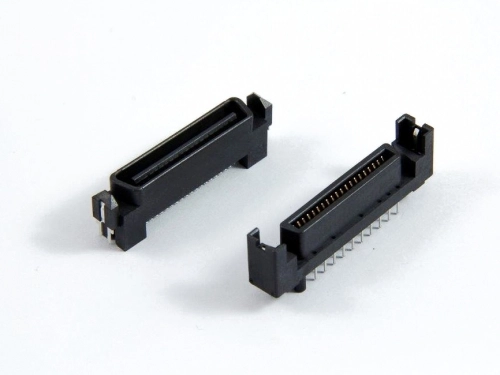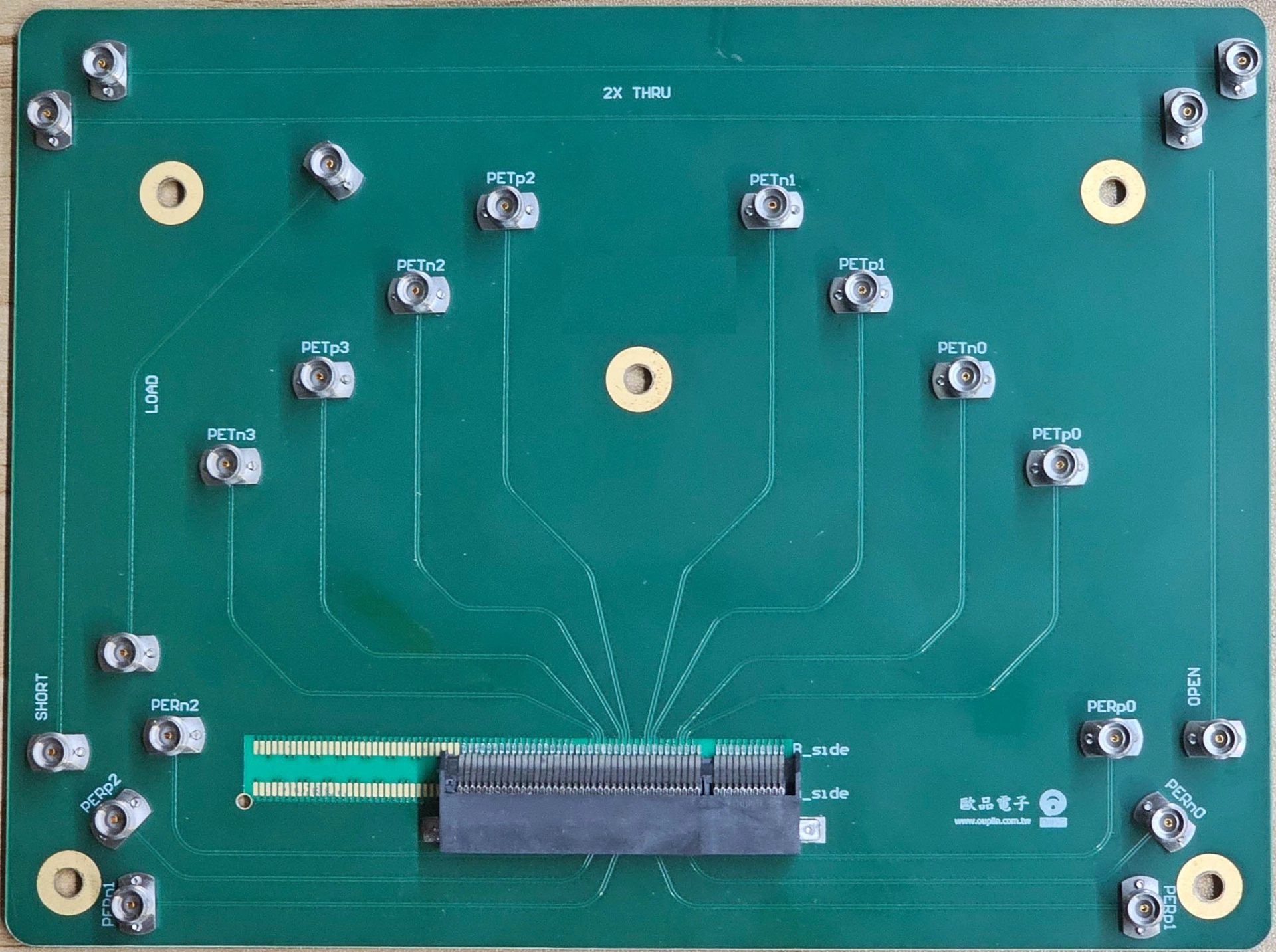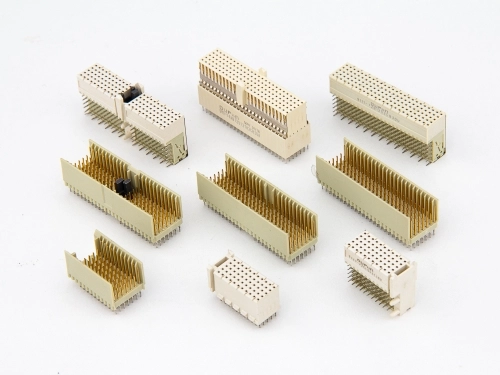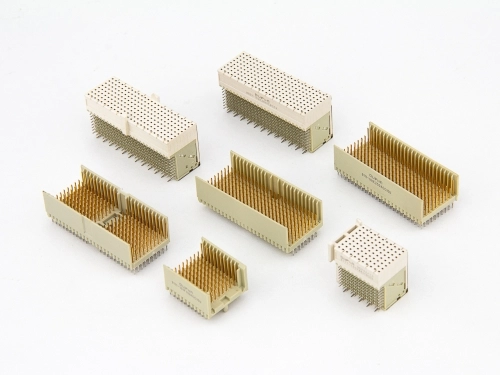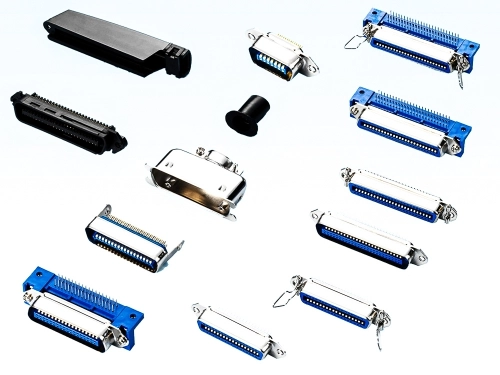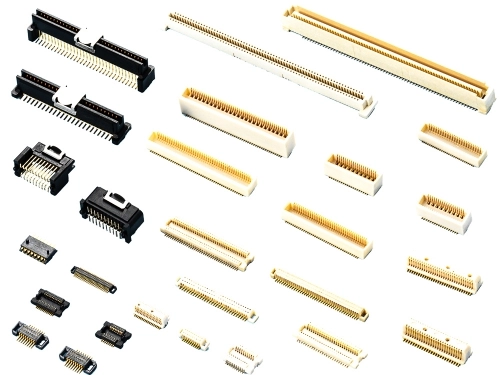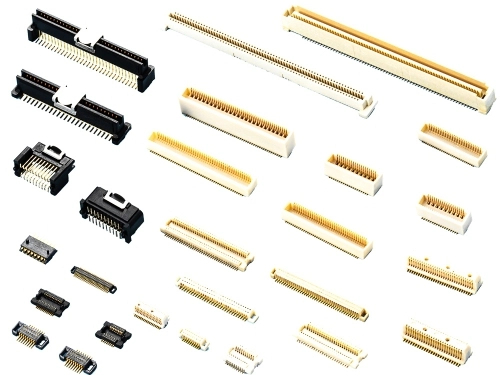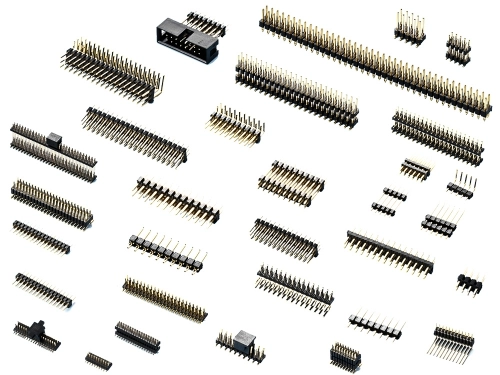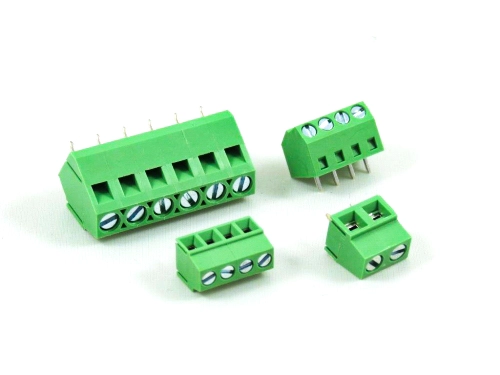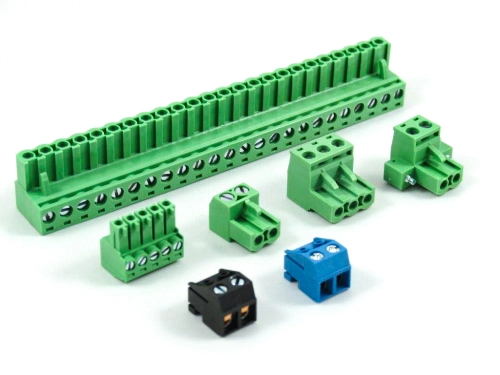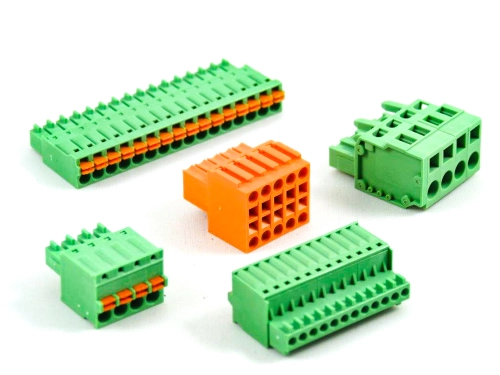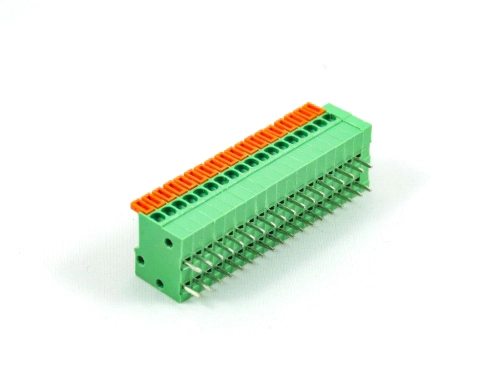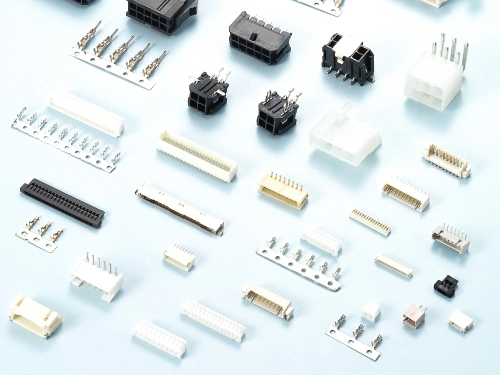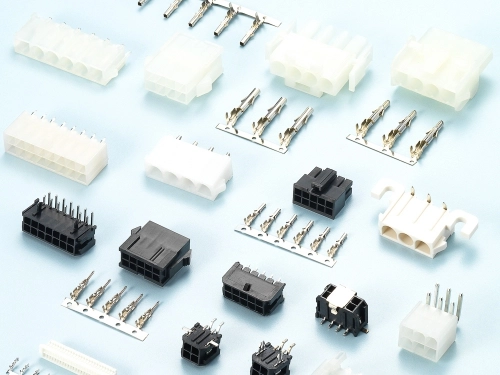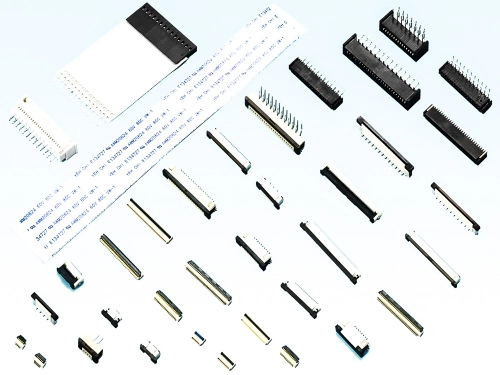


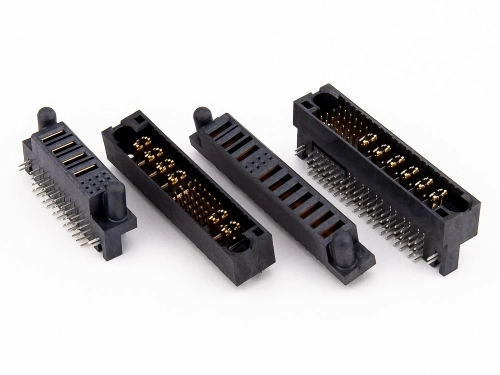
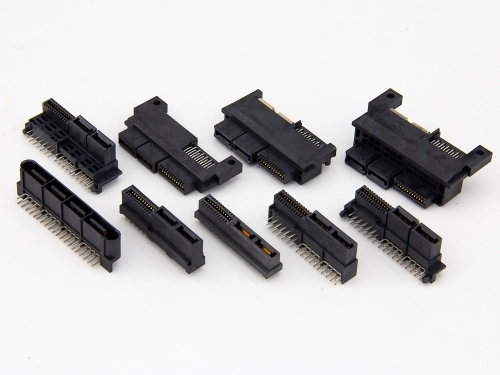
Electronic connectors, essentially, allow modern innovations to function efficiently, reliably, and safely. Among the many available designs, the board-to-board (BTB) connector is particularly impressive for its direct electrical connection between two printed circuit boards (PCBs), without requiring traditional cables or wiring. The BTB connector encourages engineers to develop compact, organized, and sophisticated electronic systems while maintaining dependable communication between interconnected circuits. This fundamental component in modern technology is foundational to our daily life comforts, which is why it’s important to understand how they work, what they look like, and examples of successful performance.
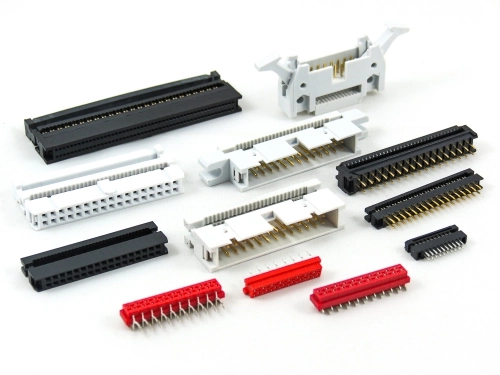
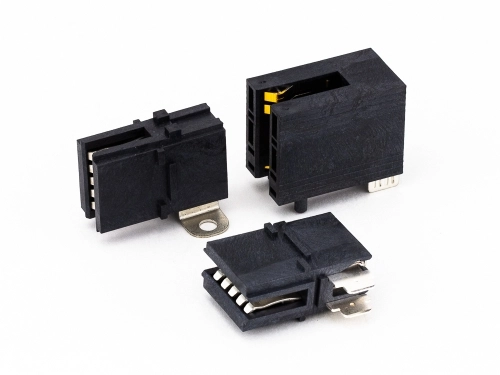
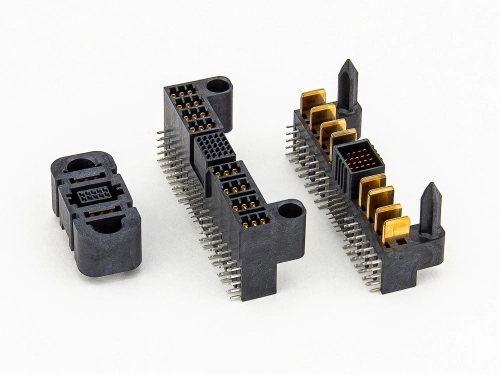
A board-to-board connector establishes an electrical and mechanical connection between two separate printed circuit boards, allowing electricity and electronic signals to travel from one PCB to another. The connector typically operates through two compatible mating components—a male plug and a female receptacle—containing conductive metal contacts surrounded by insulating materials. When the mating components are properly aligned, the metal contacts engage and create conductive pathways for power, data, and signals. This joining process is known as mating, while the separation of the components is called unmating.
Now, depending on the BTB connector's design, it may use spring-loaded contacts, contact beams, alignment features, or locking mechanisms to maintain a secure connection and resist accidental separation. Always evaluate the most important specifications, though, including pitch, which measures the distance between adjacent contact centers; stack height, which determines the spacing between connected PCBs; and current rating, which identifies how much electrical current it can safely carry under specified conditions.
Additional considerations include contact resistance, voltage rating, insulation resistance, operating temperature, insertion and withdrawal forces, and mating cycles, which describe how many connections and disconnections it can withstand. For high-speed applications, engineers should also examine signal integrity, impedance, insertion loss, return loss, and crosstalk to determine how effectively it preserves electrical signals during transmission. In all, these characteristics help professionals select the appropriate connection between different electronic designs while balancing performance, size, durability, and manufacturing requirements.
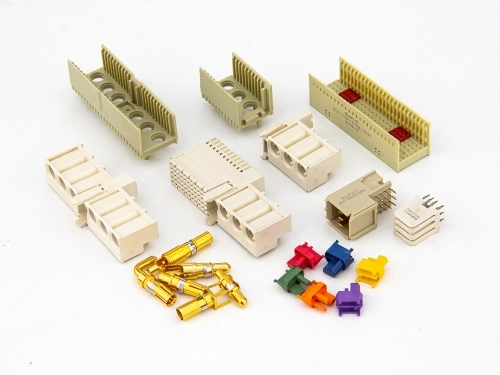
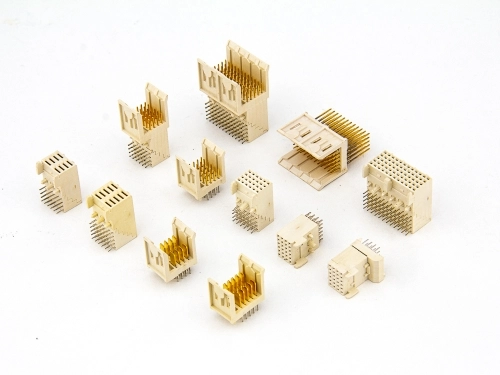
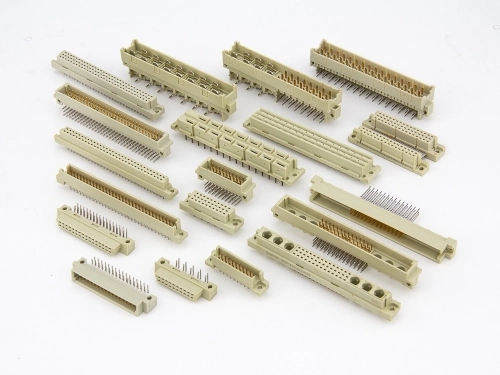
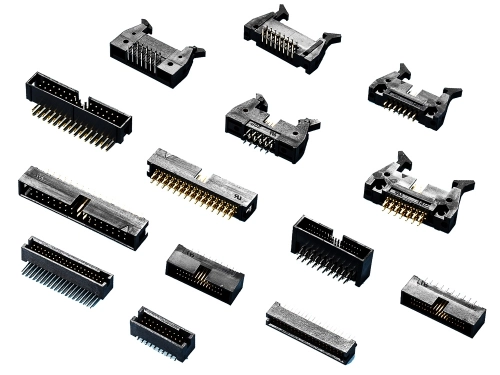
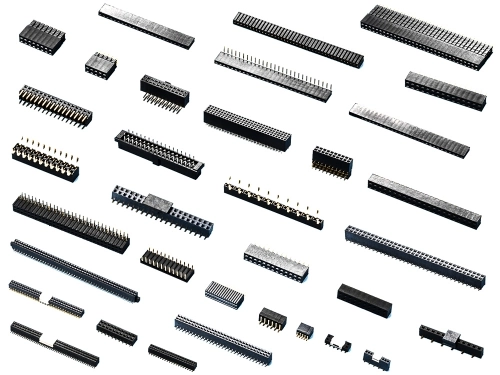
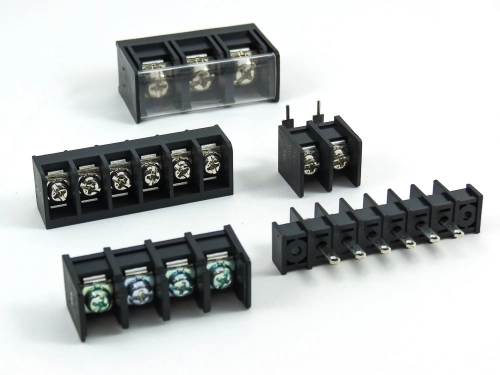
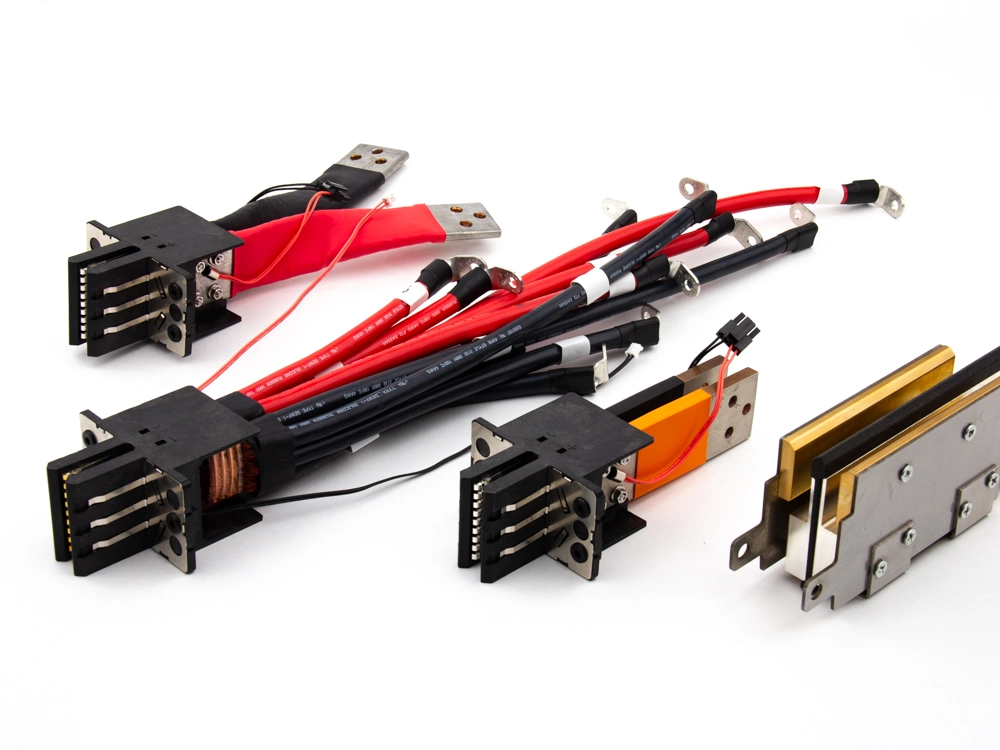
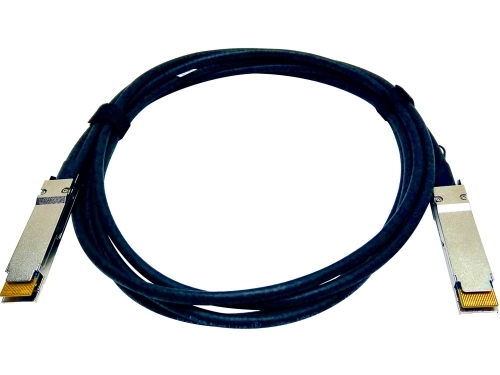
Board-to-board connectors are available in numerous configurations to accommodate the different mechanical, electrical, and spatial requirements of contemporary devices. Although every BTB connector serves the fundamental purpose of connecting printed circuit boards, its design can vary significantly depending on the intended application. Some prioritize miniature dimensions, while others emphasize high-speed communication, greater electrical current, or flexibility during assembly. Oupiin Enterprise manufactures several categories, including high-speed BTB, fine-pitch BTB, floating BTB, mezzanine, and specialized board-to-board power connectors. Understanding these distinctions will ensure you use the most suitable electronic connector.
Board-to-board connectors support numerous industries, including consumer electronics, telecommunications, automotive manufacturing, industrial automation, healthcare, and aerospace engineering. One of the most recognizable applications is the smartphone, where compact interconnections can link a main logic board to smaller internal circuit assemblies; the laptop computer, where it can connect internal circuit boards responsible for processing, communication, and other electronic functions; and the data center server, where high-speed BTB connectors help establish reliable communication between processor boards, expansion modules, and supporting electronics.
BTB Connectors aren't just for consumer technology, though. It also provides crucial assistance in specialized equipment, such as the automotive electronic control unit (ECU), which manages functions involving engines, powertrains, safety systems, and other electronic operations. Recognizing ECU architectures, the connector is capable of connecting separate PCB assemblies while supporting electrical communication in environments exposed to damaging vibrations or temperature fluctuations. Another example of connector usage is the powerful and highly beneficial medical ultrasound machine, where the component supports the connection between internal processing boards, signal-processing modules, and display electronics.
Remember, just because the connector can be smaller than a grain of rice, it doesn't mean the component can't provide, support, and maintain extreme loads. But, as industries continue developing increasingly compact, connected, and high-performance technologies, reliable BTB connections will become ever more important for maintaining electrical continuity and supporting long-term device performance.
As modern electronics become more advanced, the importance of selecting durable, efficient, and application-appropriate electronic connectors continues to grow. A reliable board-to-board connector can help maintain electrical performance, reduce connection-related failures, simplify assembly, and support the long-term operation of complex electronic systems. Oupiin Enterprise offers a comprehensive selection of BTB connectors designed to accommodate a variety of engineering challenges, ranging from miniature consumer electronics to high-speed computing and industrial power distribution.
Through an extensive electronic connector portfolio, engineering support, and opportunities for customized connector solutions, Oupiin helps manufacturers explore practical approaches to their PCB interconnection requirements. If you are interested in learning more about our options or custom solutions service, please call our California phone line at 1-661-294-0228 or our Taoyuan City, Taiwan line at +886-3-3655030. You can also send an email sales@oupiin.com or sales@oupiin.com.tw, respectively. We would love to hear your thoughts and future goals, and provide a solution to your situation.