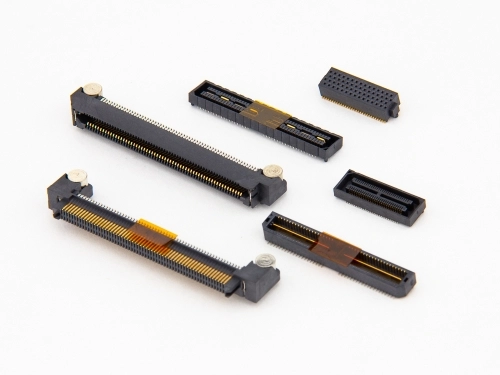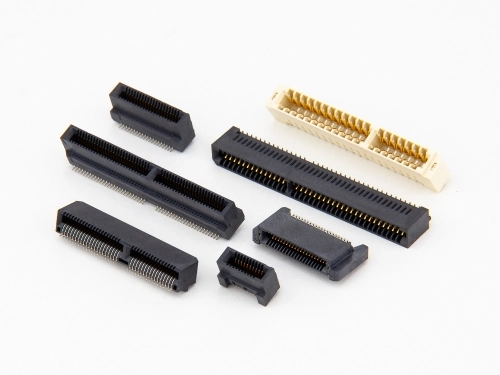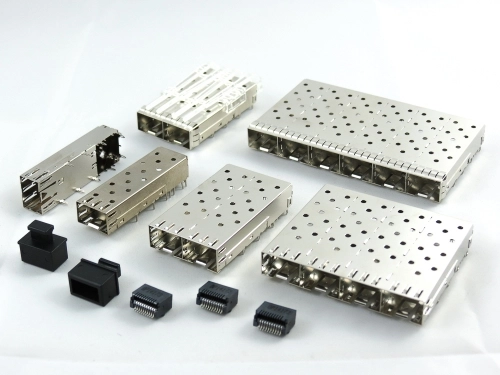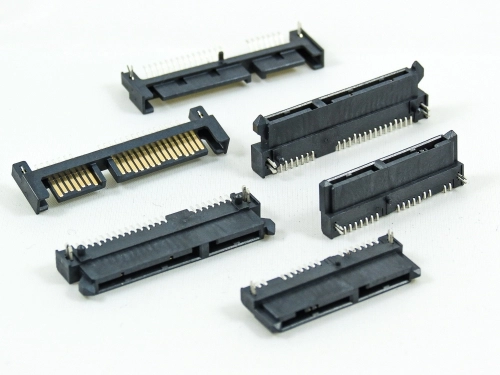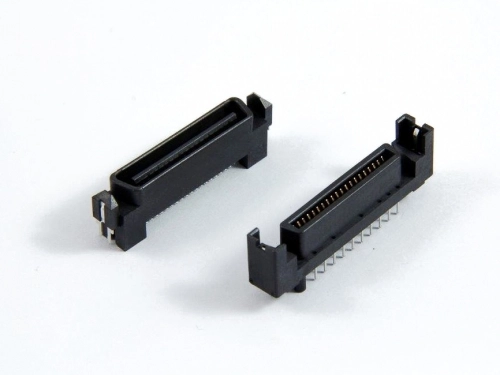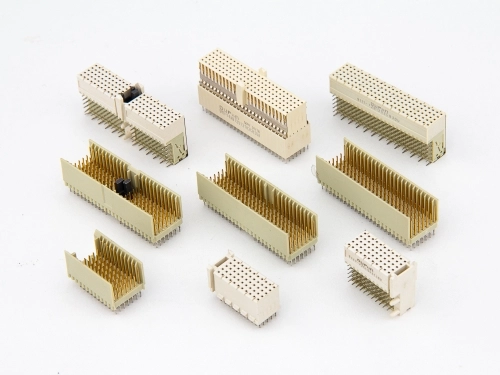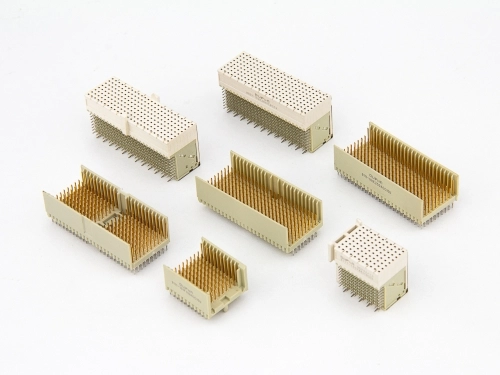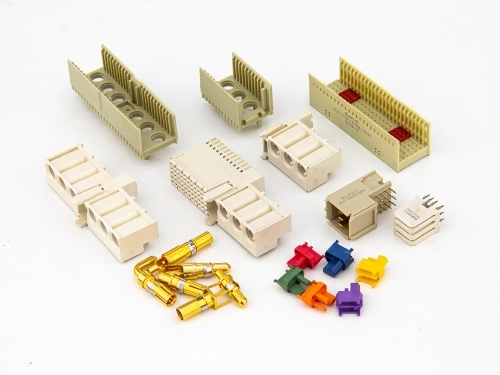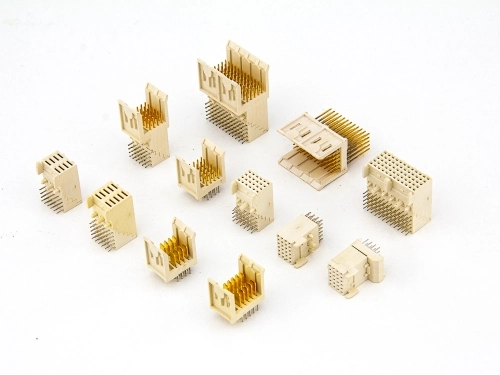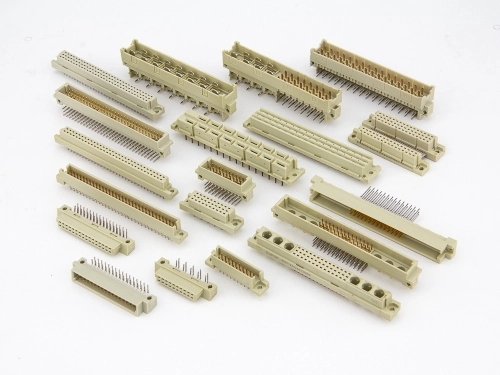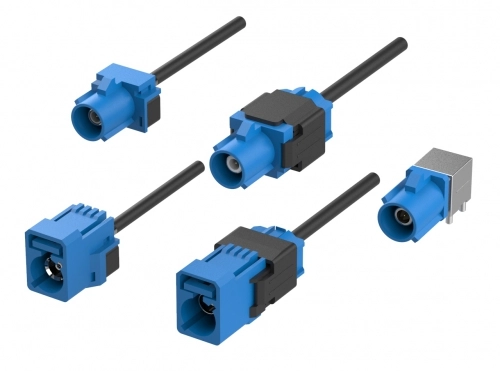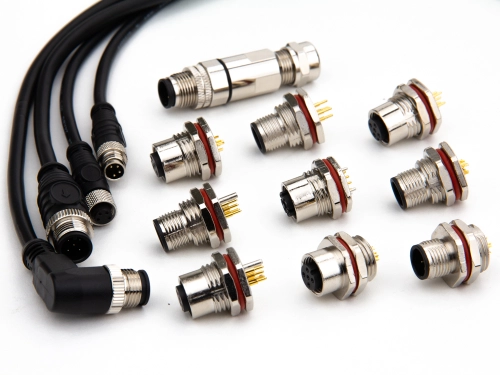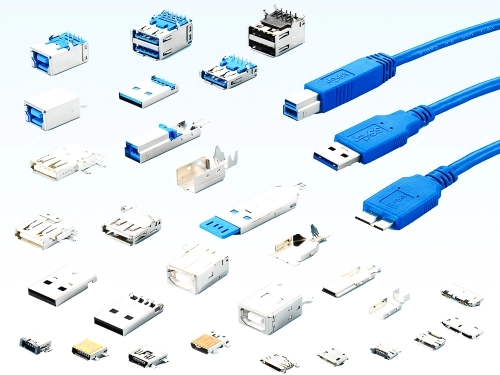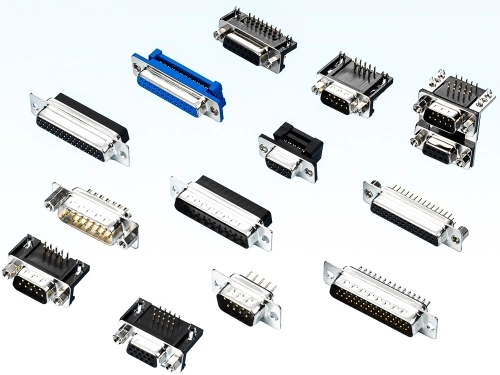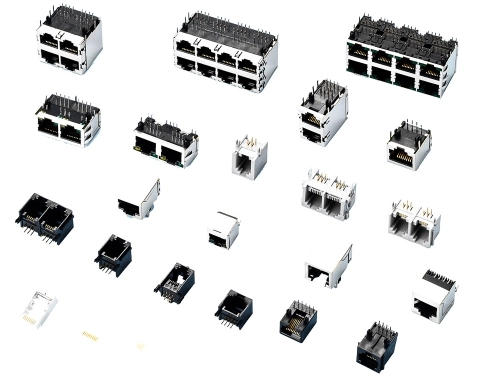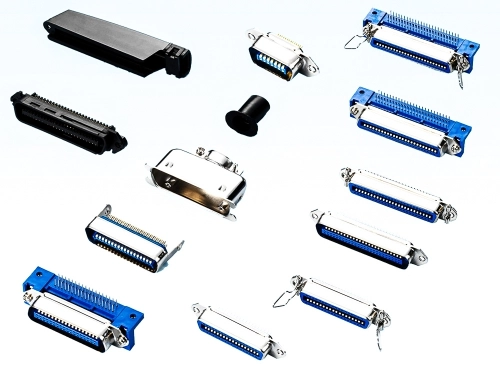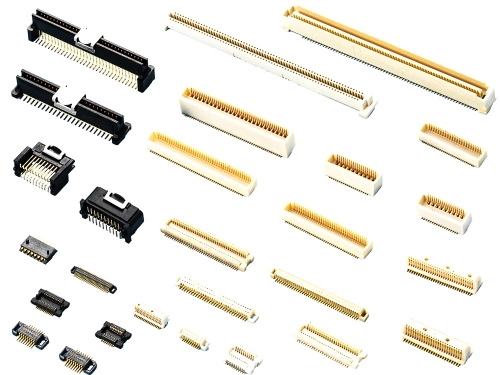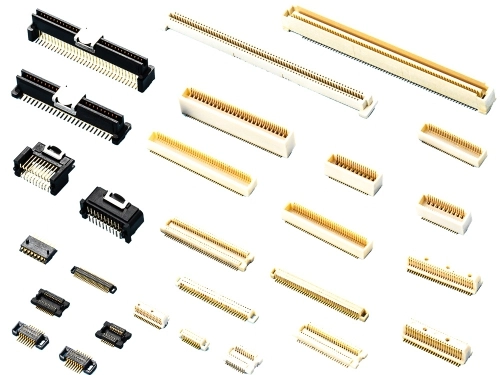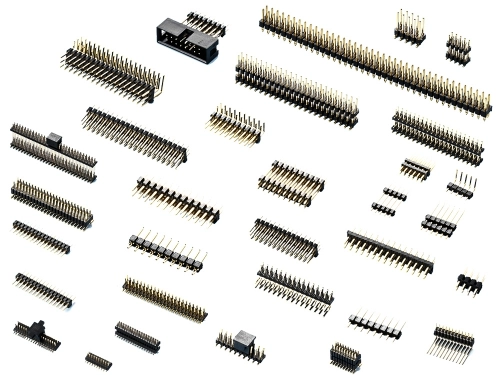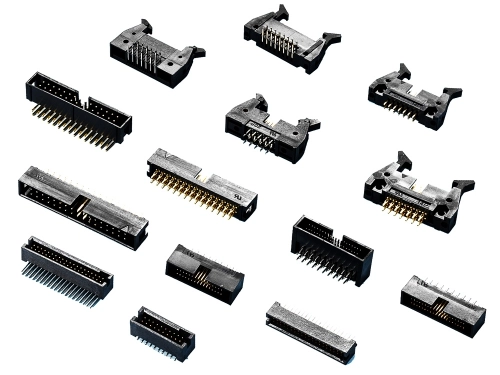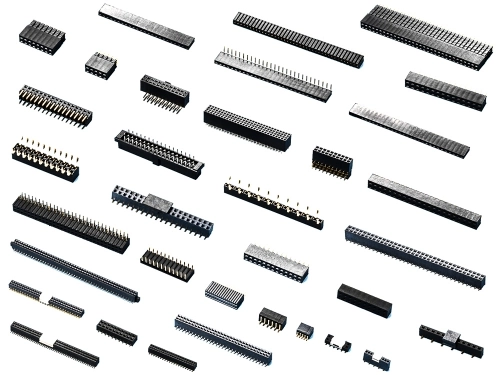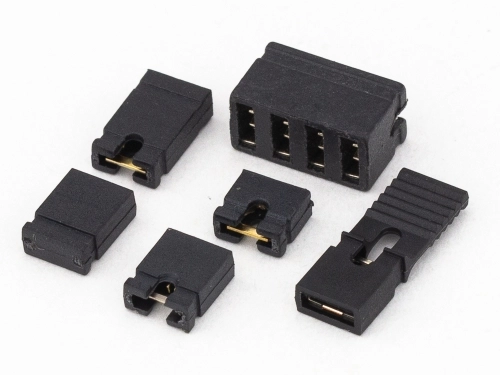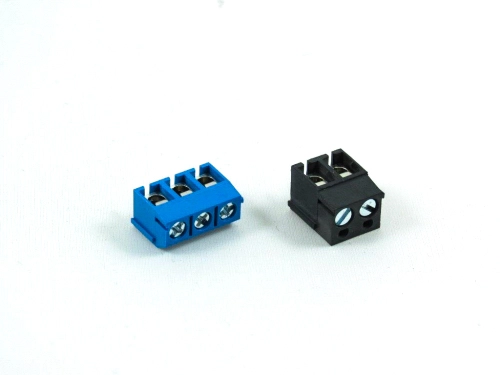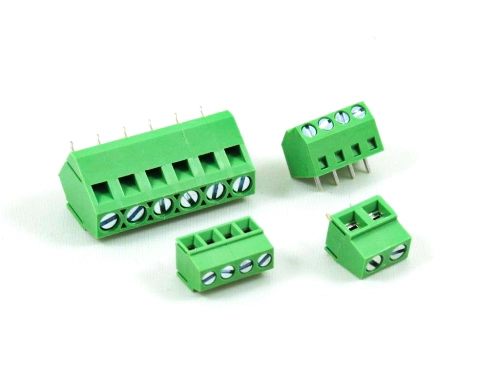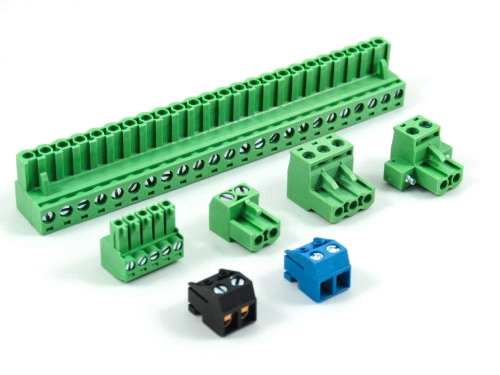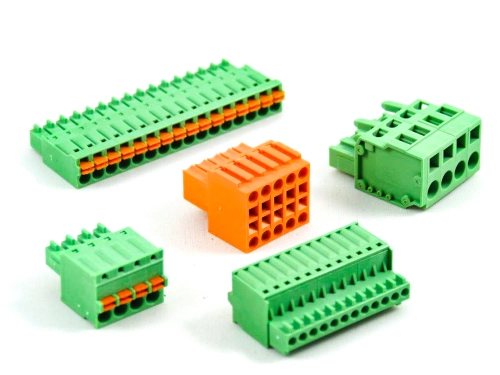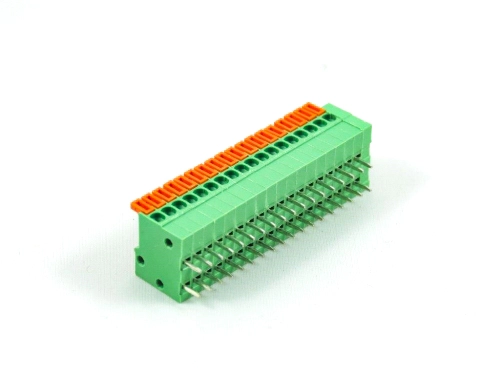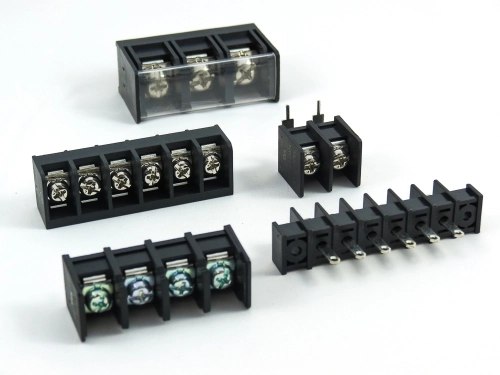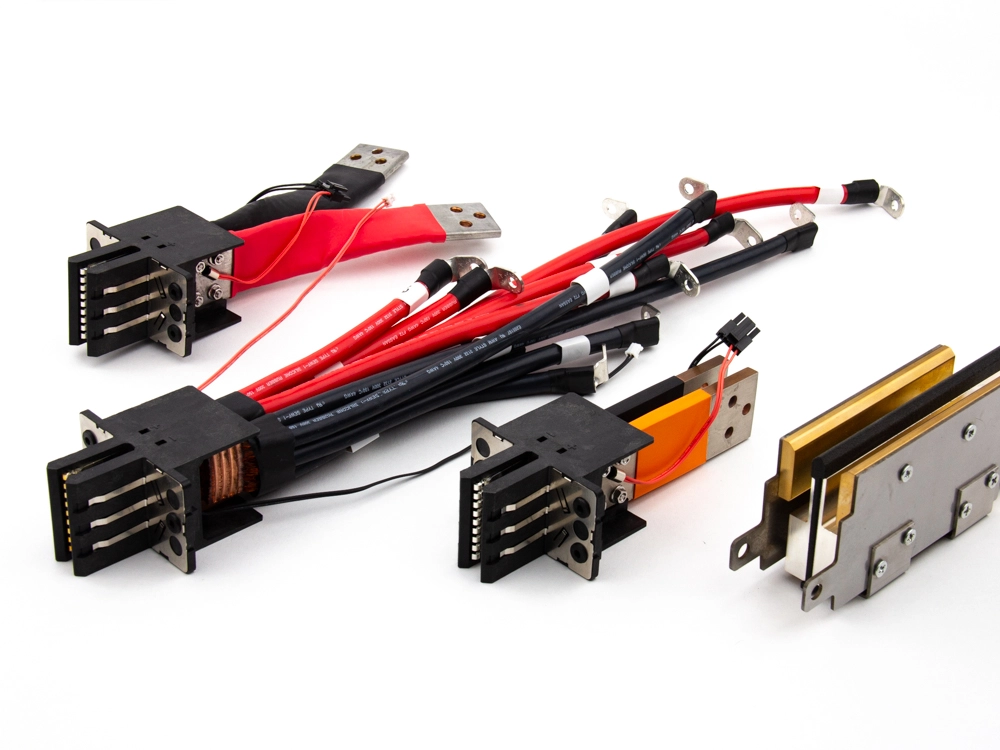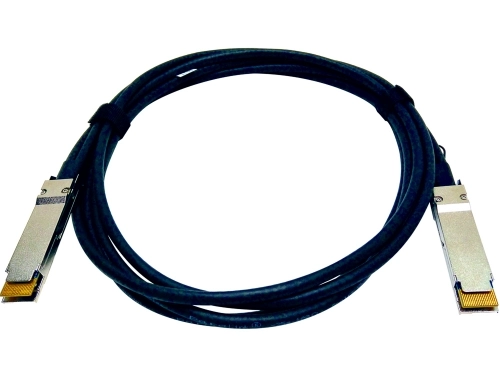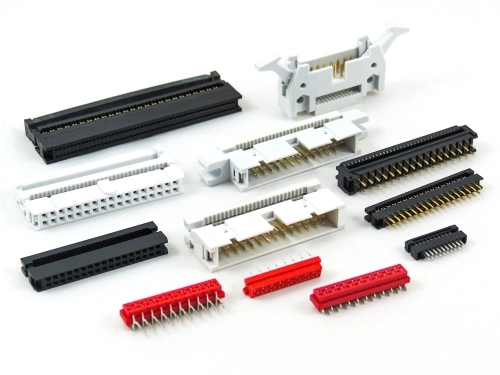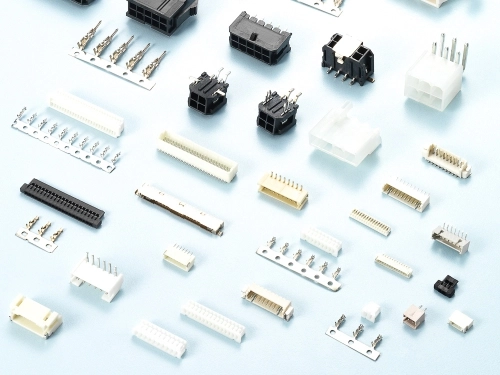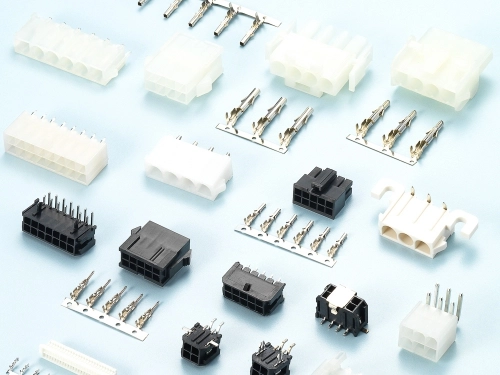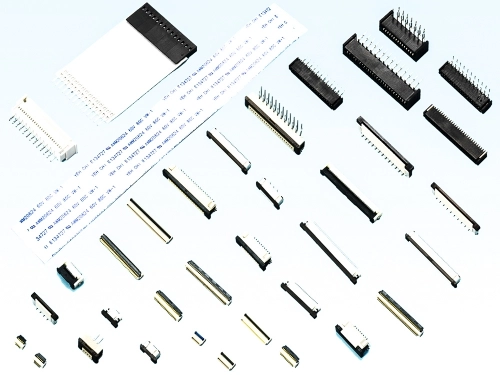

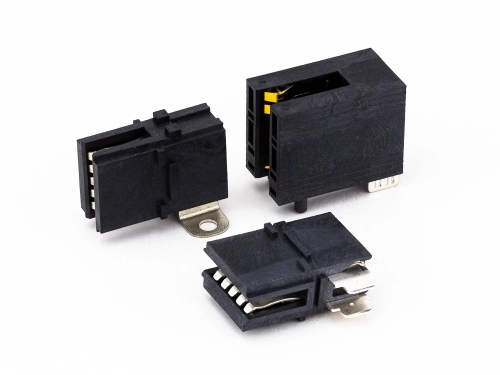
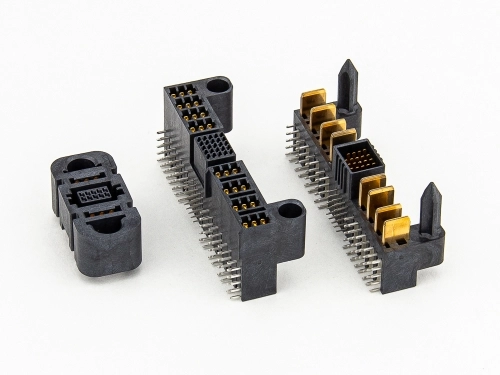
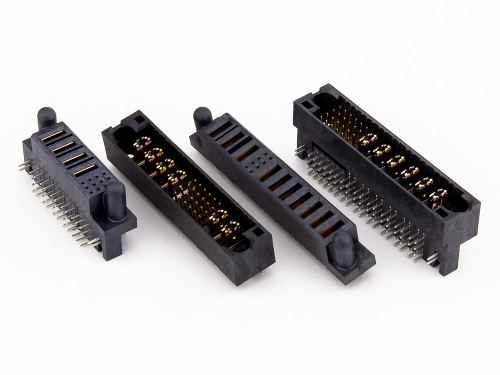
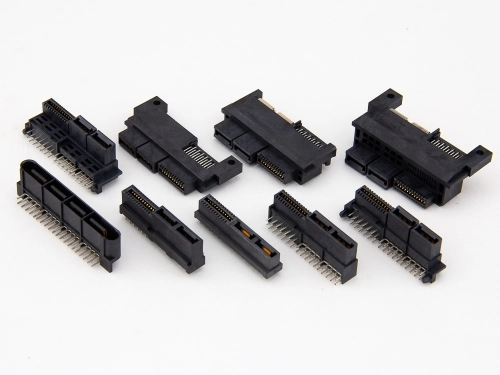
Electronic connectors may look small and simple, but they are made from carefully selected materials designed to ensure reliable electrical performance. Common materials include copper alloys for conductivity, plastics or polymers for insulation, and precious metal platings such as gold, silver, or palladium on contact surfaces. These materials are chosen because connectors must withstand repeated mating cycles, resist corrosion, and maintain consistent signal or power transmission over time.
But, out of all of the materials, all of the precious metals, gold plays a quite significant role in electronic connectors, even after a connector has reached the end of its useful life. Not only does gold's resistance to oxidation provide a stable, low-resistance contact point essential for high-performance electronics, but it also retains its intrinsic value and functional properties after the electronic connector loses its own ability to function. Rather than becoming waste, gold can be recovered and reused, making connector recycling both an environmental responsibility and a valuable resource recovery opportunity.
Yes, gold can absolutely be recycled, and it should be. Unlike many materials that degrade over time, gold can be reused repeatedly without losing its physical or electrical properties. Recycling gold from electronic connectors reduces the need for new mining, which is energy-intensive and environmentally disruptive. Reclaiming gold from end-of-life electronics allows industries to conserve natural resources, lower carbon emissions, and support a more sustainable lifecycle.
Recycling gold from electronic connectors is a multi-step process requiring careful handling and specialized techniques. While recycling gold can be its own lengthy and dramatic article, understanding the basics of this process will help you truly appreciate this service's value to the world of electronics and sustainability. Expect the following to occur:
Collection and sorting: End-of-life connectors are separated from electronic assemblies and categorized based on material content.
Mechanical processing: Connectors are shredded or dismantled to expose metal components and isolate gold-bearing contacts.
Chemical or thermal treatment: Specialized processes, such as chemical leaching or smelting, are used to separate gold from base metals.
Refining: The recovered gold is purified to remove impurities and restore it to high-grade material.
Reuse: Refined gold is reintroduced into manufacturing streams for new electronic components.
Once refined, recycled gold is indistinguishable from newly mined gold and can be used again in high-reliability connectors. This closed-loop approach reduces waste while preserving performance standards critical to modern electronics. It may not seem like much to take these additional steps when it comes to waste, but these inclusions allow us, local communities, and our planet have a healthier life.
Sustainability is no longer just an environmental concern; it is an individual, communal, and global responsibility. The electronics industry plays a significant role in material consumption, energy use, and electronic waste generation. Choosing manufacturers valuing sustainability helps reduce environmental impact while encouraging ethical production practices across supply chains.
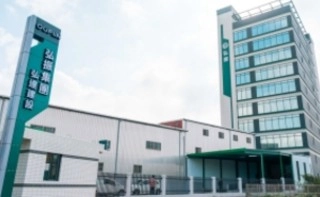
Manufacturers, like Oupiin Enterprise, recognize the importance of combining innovation and sustainability when supporting both technological advancement and responsible stewardship of the resources making modern electronics possible. If you want to learn more about our environmental standards, consider contacting us with any of your questions or concerns. You can call us at 1(661) 294-0228 or send an email to sales@oupiin.com for our American location. For our headquarters in Taiwan, please contact us by phone (+886-3-3655030) or send an email to sales@oupiin.com.tw. We will respond within a timely manner with, hopefully, the answers you desire.