




ENG
HOMEConnector InformationThe Real Hero of Iron Man's Suit

  • The Real Hero of Iron Man's Suit

  • 2026-01-14

As civilization has evolved, the tools and resources have too. We've gone from steam engines to satellites, telegraphs to smartphones, horses-drawn carriages to autonomous electric vehicles. It's only natural this progression would affect other areas of our society. For instance, as the software and hardware creating the media we know has grown, so have our forms of entertainment. 

Once, the frontier world of cowboys, deserts, and outlaws gripped audiences across the planet, especially the United States of America. But, as the world's understanding of science, machinery, and engineering expanded, so did our myths. Our greatest imagineers started creating universes where technology didn't just support human life, but enhanced it. Slowly, the heroes of the American West gave way to heroes of the Digital Age, whose power didn't come from horses or grit but intelligence, creativity, and engineering. None being more memorable and recognizable than Iron Man. 

Who is Iron Man?

Iron Man, also mostly known as Tony Stark, made his first comic book appearance in 1963 under Marvel Comics. Stark is a wealthy inventor, scientist, and CEO who uses his technological genius to create powered armor suits capable of flight, strength enhancement, energy projection, and advanced computing. Unlike many Marvel superheroes, Tony Stark was not made in a lab, through interstellar modification, or universal intervention. He engineered his way out of his lowest point and has continued to be a hero, despite hardship, injury, and ideological differences. Iron Man isn't a character defined only by his intelligence but his adaptability and the relentless pursuit of improvement.

With the rise of the Marvel Cinematic Universe (MCU), Iron Man became a symbol of the technologically empowered future—where creativity and engineering drive human potential forward. He resonates with modern audiences because he represents an attainable idea: with enough ingenuity, courage, and persistence, progress is something we build rather than simply inherit. Tony Stark is both a scientist and a superhero, a perfect emblem for a world where technology defines the future.

What is an Arc Reactor?

In Marvel comic book lore, Howard Stark created the blueprint for large versions of a revolutionary clean energy device, known as an arc reactor, but it was his son, Tony Stark, who finished it and put it to use. It works as a compact fusion reactor, generating power by fusing atoms rather than splitting them, which, theoretically, produces enormous amounts of energy with minimal waste. The arc reactor in Tony's chest originally served as a life-saving device, but it quickly developed into the heart of the Iron Man suit itself. The portable arc reactor's high-density output powered the suit's, for example, propulsion systems, onboard computers, repulsors, and energy shielding. However, despite this character, the arc reactor, and its related ideas being fictional, the concept reflects real-world scientific pursuits, like compact fusion power, high-efficiency superconductors, and micro energy storage. The arc reactor highlights humanity's hope that clean energy could someday be: powerful, renewable, safe, and efficient.

What Electronic Connectors Might “Support” Iron Man's Arc Reactor?

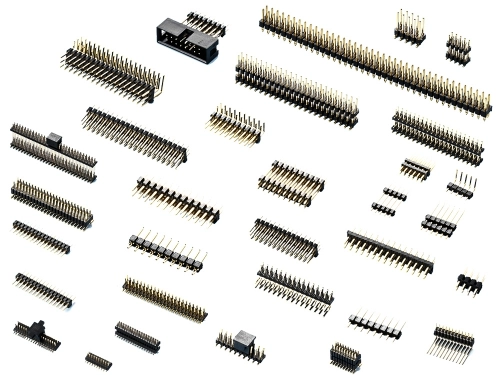
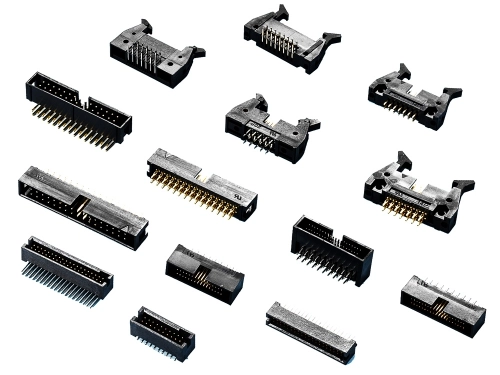
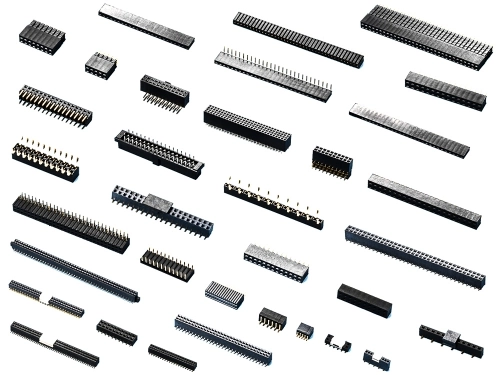
Electronic connectors are the components enabling signals and power to move between systems. These components allow circuits to be assembled, modules to communicate, and energy to be delivered precisely and reliably. Without connectors, every device would be one solid unit of circuitry—impossible to modify or update. However, because this technology has consistently been augmented, modern engineers has incorporated these scalable and human-friendly processes within their inventions. 

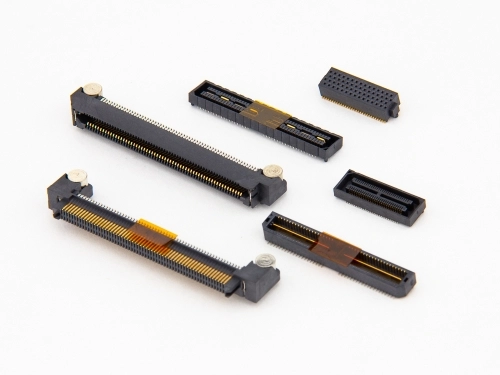
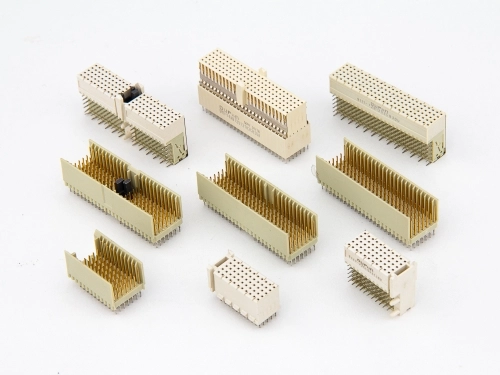
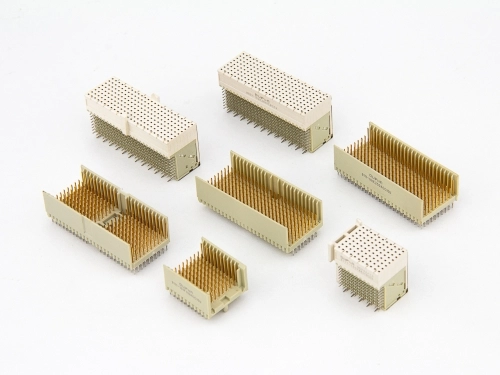
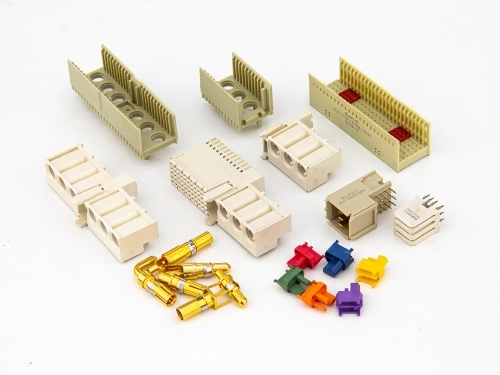
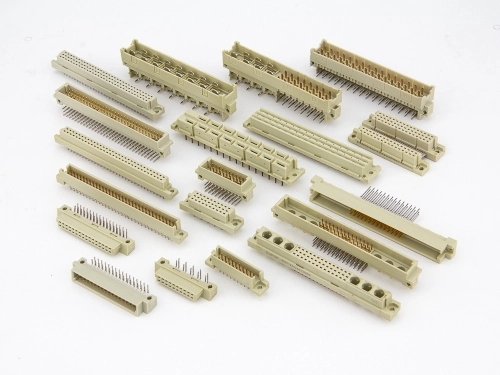
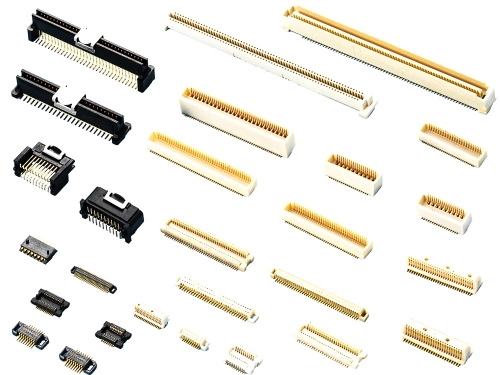
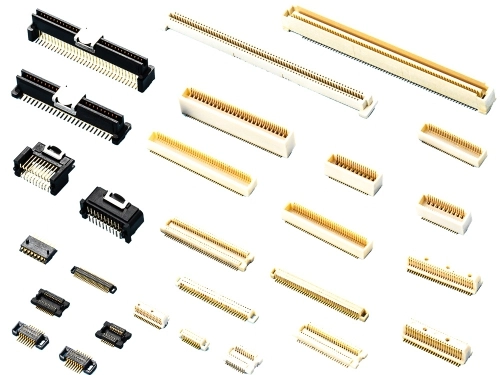
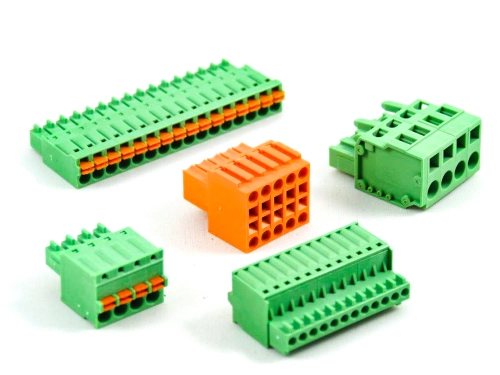
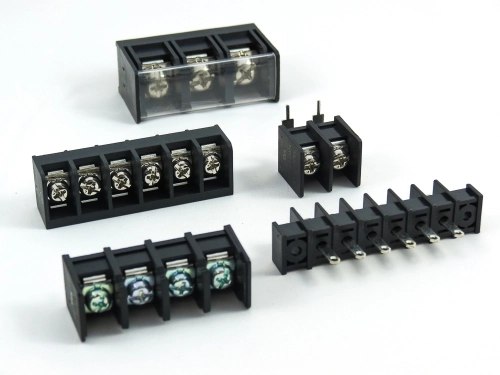
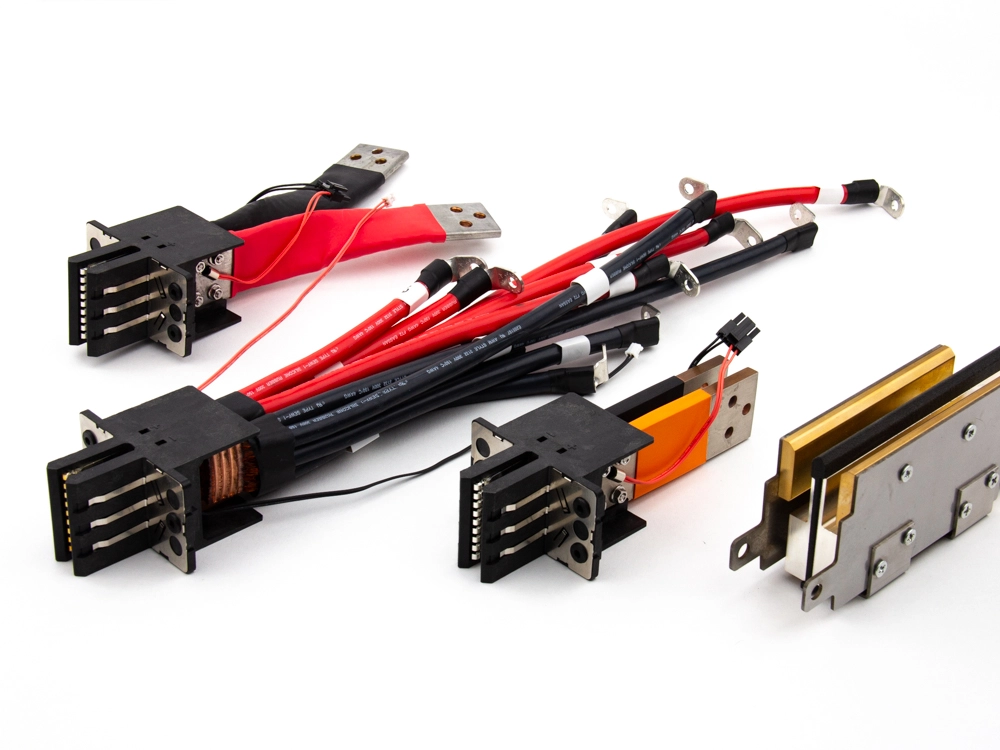
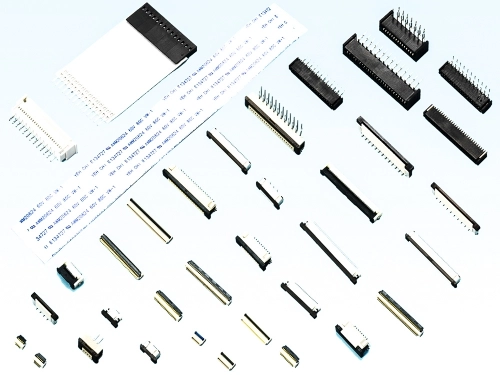
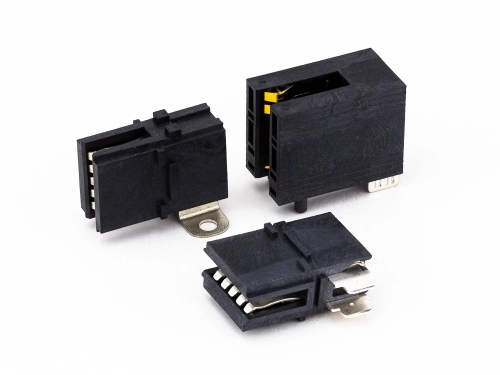
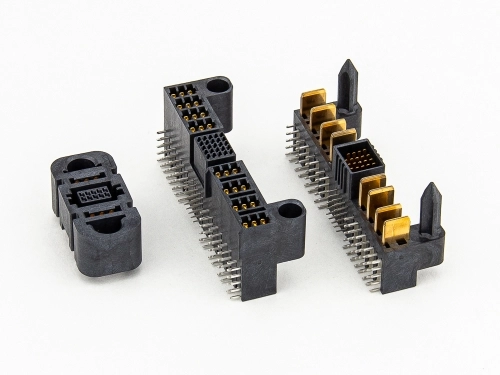
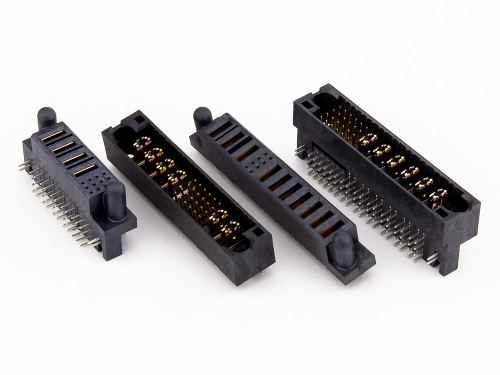
When we imagine Iron Man's arc reactor as a real-world system, we can think of it as a highly compact, high-output power source. To integrate such a power core into a wearable suit, there would need to be secure and reliable pathways for power distribution; routes moving energy to propulsion systems, sensors, communications, targeting systems, and various mechanical actuators. Connectors, such as high-current power connectors and BTB connectors, would likely form as one of the foundations of this theoretical system since it can potentially deliver stable power under extreme strain. However, these connectors would also need to be heat-resistant, vibration-resistant, and capable of handling repeated mechanical movement, or else Iron Man may struggle to move, fly, land, and engage in combat. 

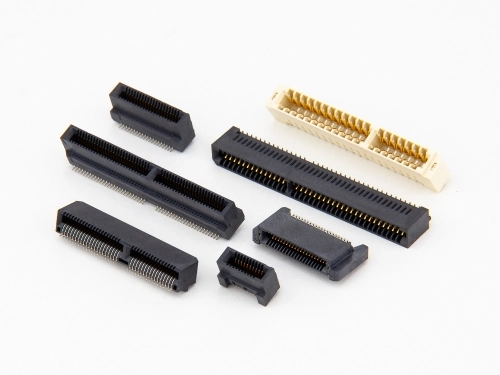
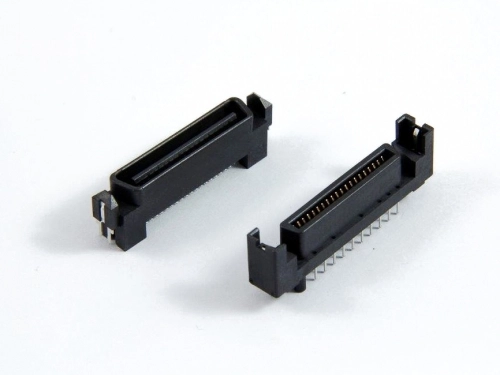
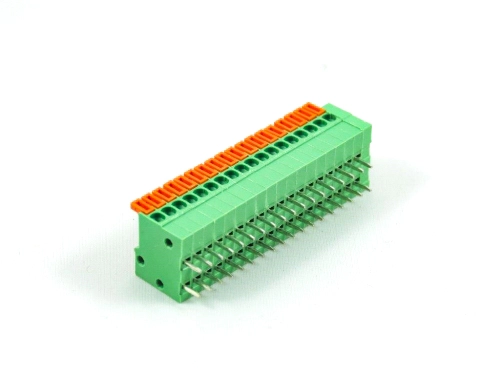
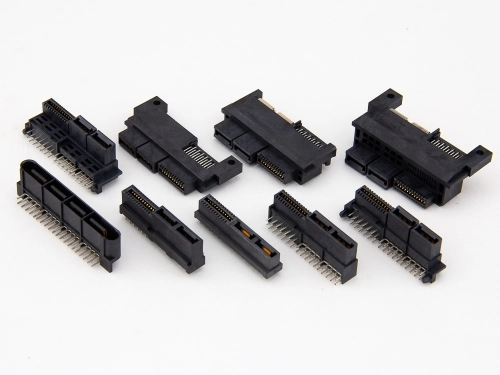
Additionally, small-form connectors, like high-speed card edge connectors, could serve as communication channels within the suit. Just as devices today rely on connectors to transmit information between sensors, processors, and control modules, Tony Stark's suit would require a complex network of signal pathways. The Iron Man suit is, essentially, a flying computer—it needs internal “conversations” happening constantly, with real-time adjustments and calibrations. High-speed connectors support the idea that the suit can, simultaneously, read environmental data, assess threats, adjust propulsion, maintain life support, and deliver witty remarks. Science fiction often mirrors real technological trends, like how The Mandalorian visor closely resembles military HUD prototypes or how Gundam exosuits parallel modern powered exoskeleton research.

Of course, this article is entirely a thought exercise. Real arc reactors do not exist (at least not in a functional, chest-mounted superhero format), and we are imagining how existing connector technologies might support such a device if it were real. The parallels we draw between Iron Man's suit and modern connector engineering highlight how innovation often begins with imagination. Fiction inspires invention and invention shapes the future. 

Find the Best Electronic Connectors Here!

Its efficiency, stability, durability, performance, and influence across all electronic systems are what guarantee Oupiin Enterprise continues discussing, using, and innovating electronic connectors. Additionally, choosing a reliable connector manufacturer ensures devices operate safely and effectively under routine conditions. In the same way Iron Man relies on precise engineering to bring his suit to life, companies rely on high-quality connectors to power innovation. 

For those seeking robust connector solutions designed with performance and practicality in mind, Oupiin Enterprise offers a wide range of components engineered for real-world reliability and next-generation applications. You can find our entire portfolio of available electronic connectors in the navigation bar above. However, if you have specific questions or concerns, we recommend reaching out to one of our international locations. For our American location, please call 1(800) 820-7446 or send an email to sales@oupiin.com. For our headquarters in Taiwan, please call +886-3-3655030 or shoot your inquiry to sales@oupiin.com.tw. We are looking forward to collaborating with you.


202502211359388tpM   20250221140032bqsM   20250221140042bUxX