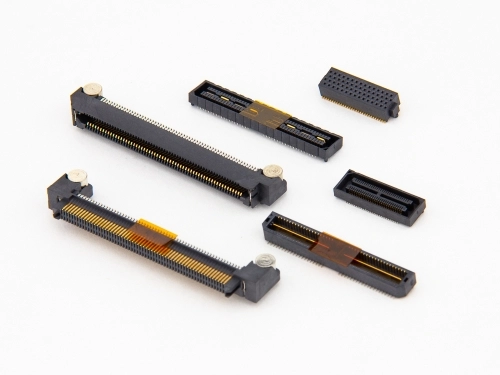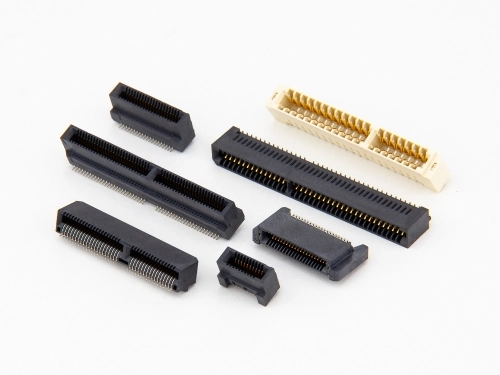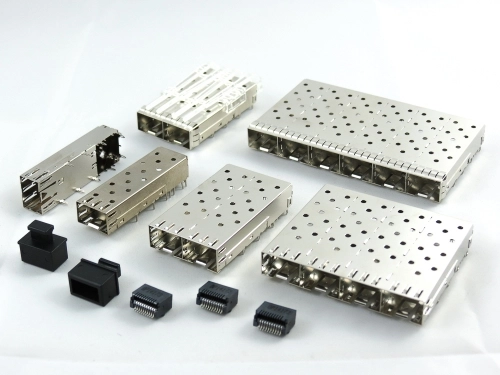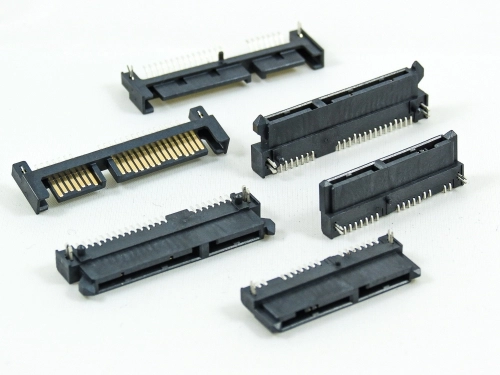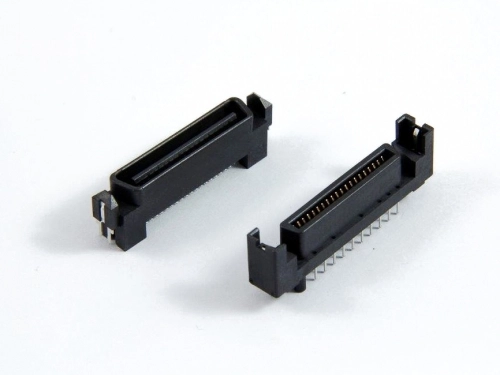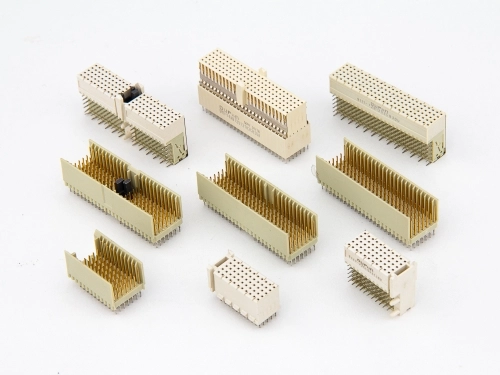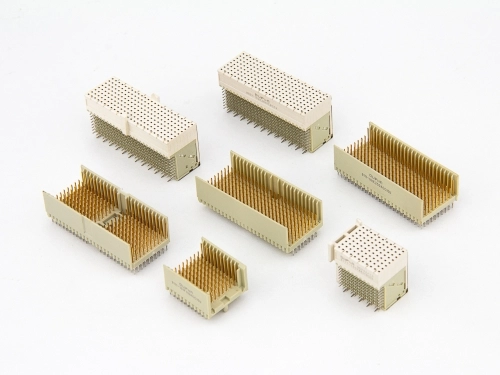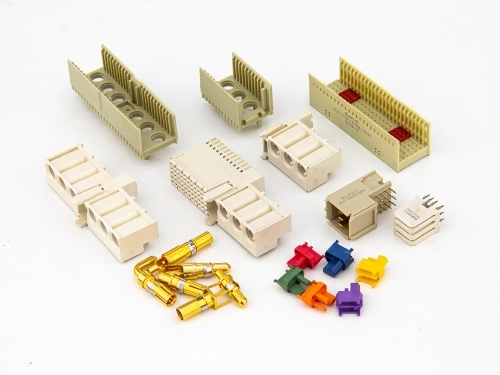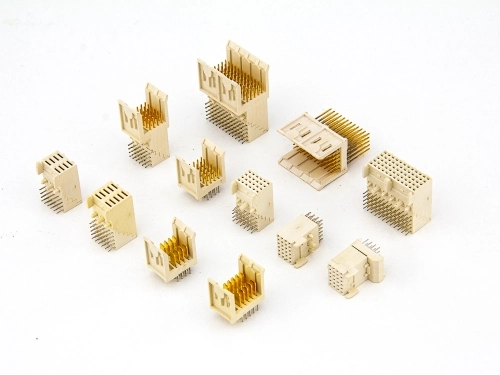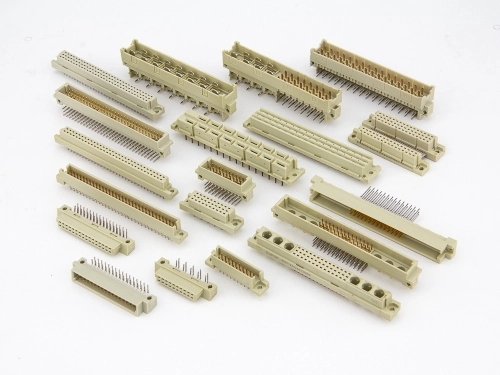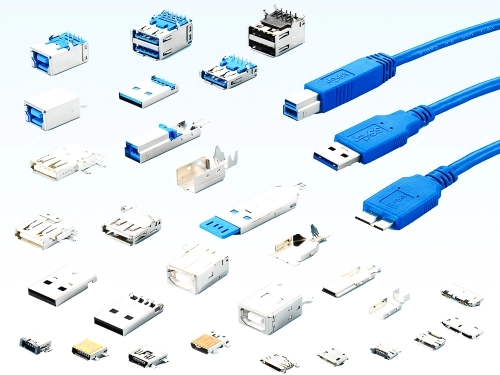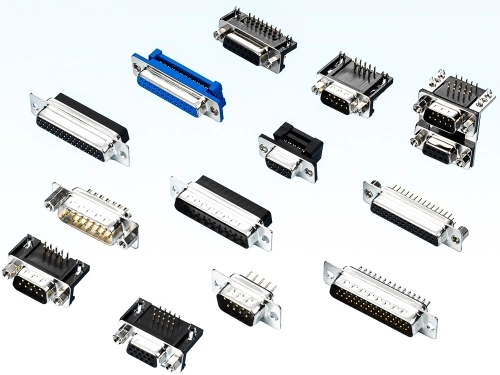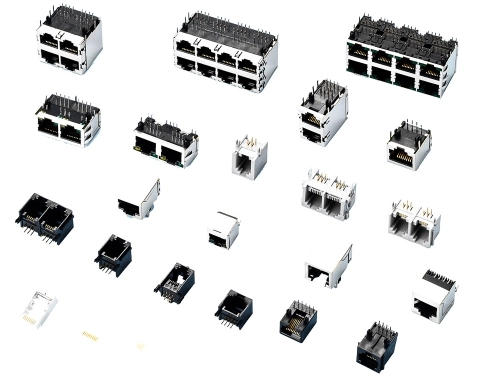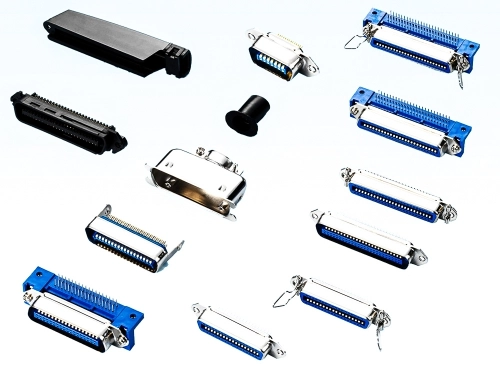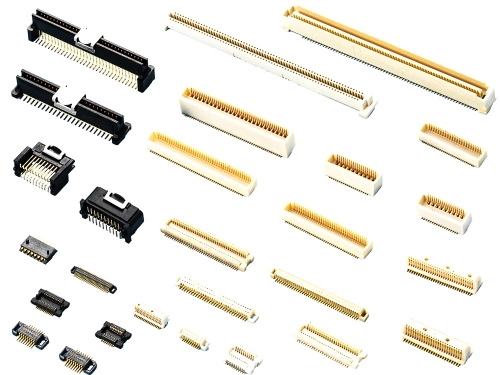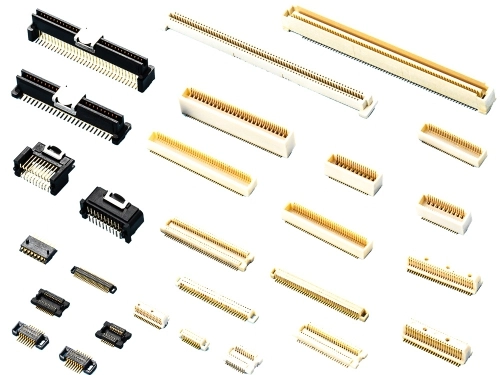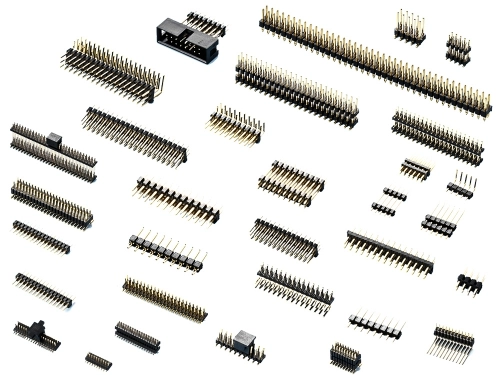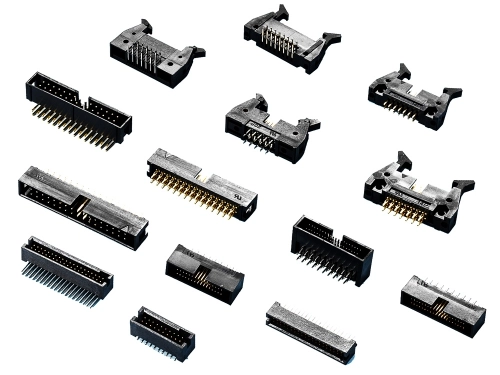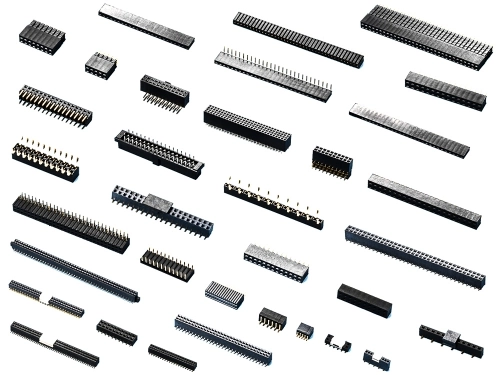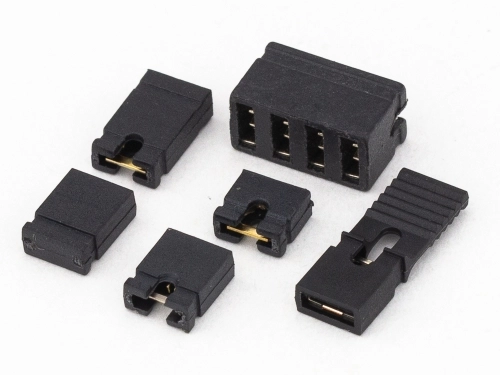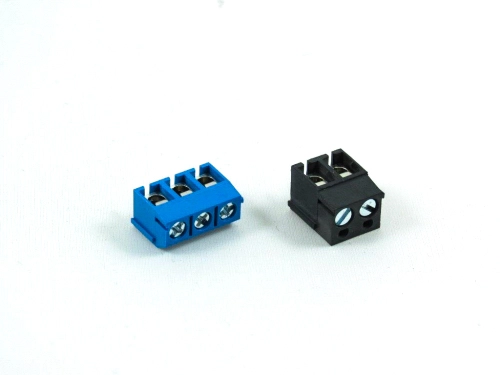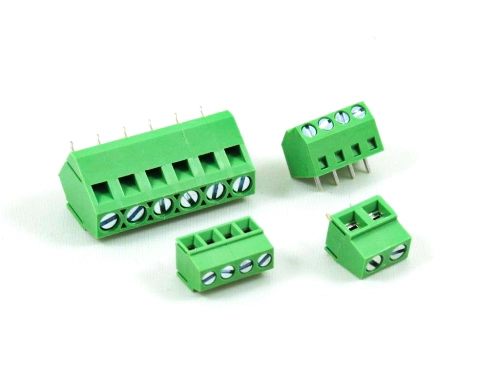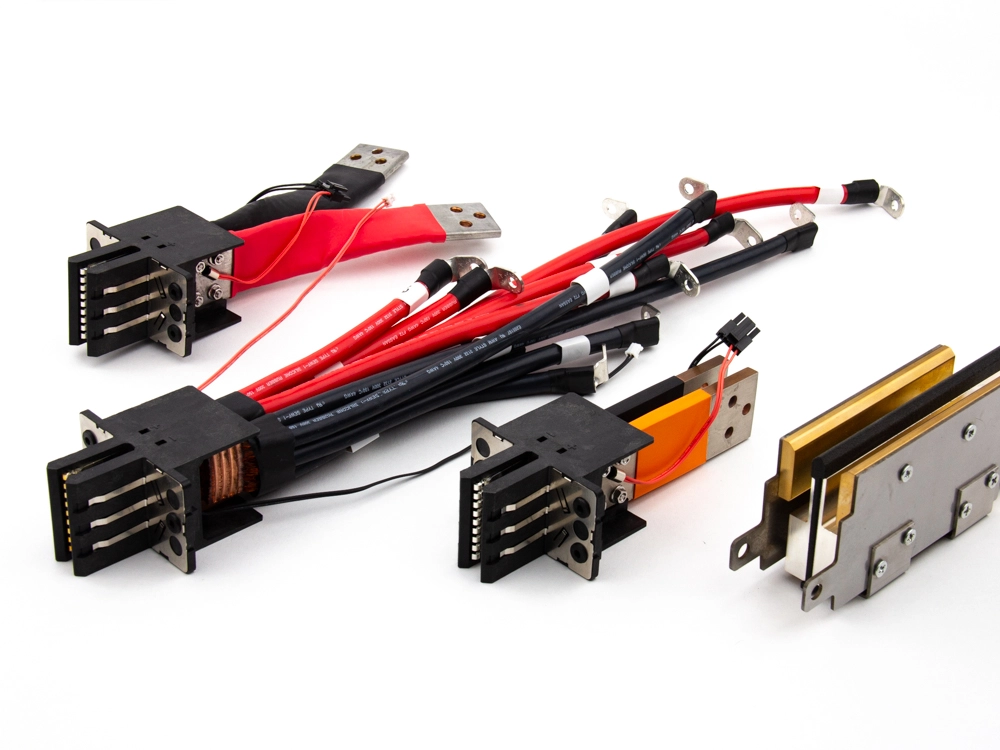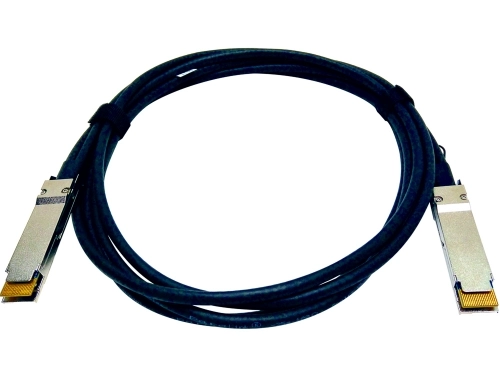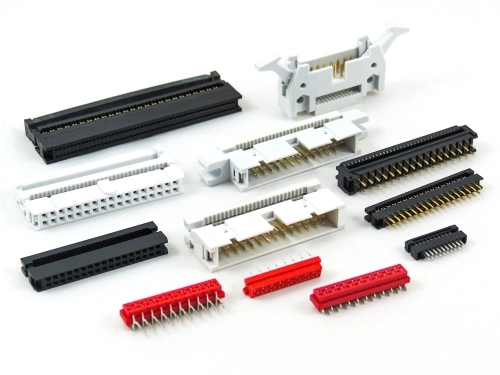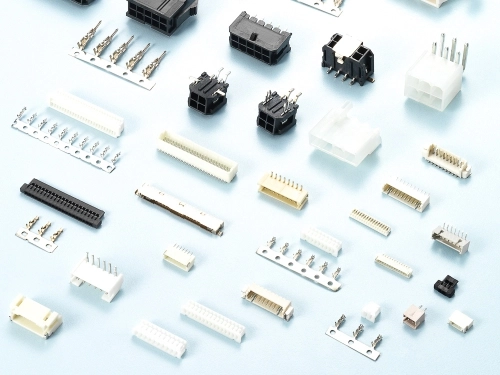




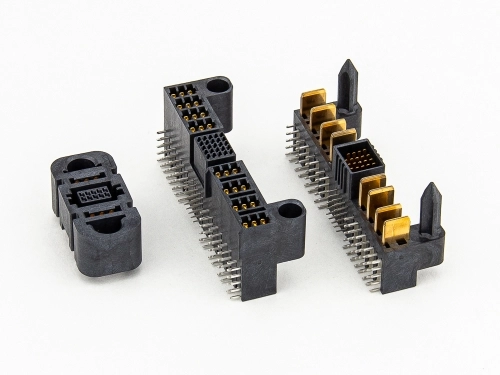
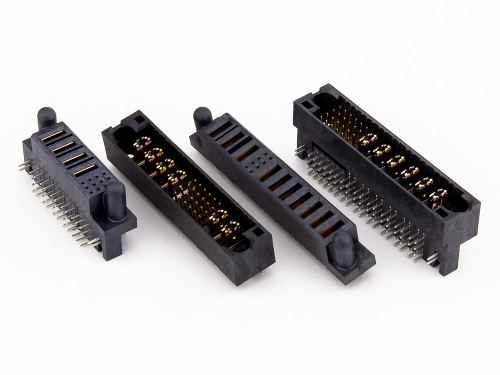
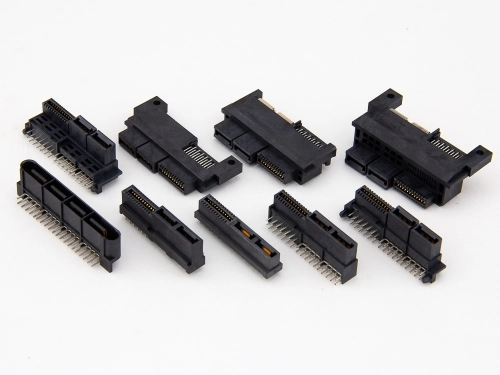
Dating back to the mid-20th century, card edge connectors are among the oldest connector designs still in wide use today. As computing, telecommunications, and industrial control systems became more complex, engineers needed a modular way to connect printed circuit boards (PCBs) to larger systems without soldering every joint. Instead, the edge of the PCB was plated with a conductive material and a slot with corresponding contacts accepting the board was incorporated. Together, they formed a reusable, reliable, and compact connection point.
These connectors were first widely adopted in the 1950s and 1960s, when early computer systems, arcade machines, and telecommunications equipment began relying on it for modularity and ease of maintenance. Its purpose was clear: allow boards to slide in and out without permanent attachments, reducing downtime, lowering costs, and allowing easy upgrades. While the same principles remain after 60 years, its designs has evolved to support higher data rates, better durability, and more specialized applications.
Card edge connectors establish both a mechanical and electrical interface between a PCB and another system. The plated contacts along the edge of the PCB (often gold, tin, or nickel for conductivity and wear resistance) slide into the socket’s metal contacts, allowing signals, data, and power to pass seamlessly between the board and the larger system. Regardless of the number of insertion and removal cycles it will see, the spring-like contacts in the socket ensure pressure is maintained.
Materials also play a crucial role in ensuring performance. High-conductivity metals—like copper alloys—are often used for the contacts, while gold plating minimizes oxidation and maintains low resistance. The housing is typically made from durable thermoplastics resisting heat, chemicals, and mechanical stress. In summary, card edge connectors provide a stable, repeatable performance over thousands of cycles, an essential feature for systems requiring maintenance or frequent upgrades.
From their early days in the 1960s, card edge connectors found homes in computing and telecommunications. They were used in motherboards, memory modules, and networking backplanes, where modularity and serviceability were vital. As industries innovated and grew, so did the applications for card edges. Today, they are nearly ubiquitous across industries relying on modular electronics, scalable systems, or high-speed data transmission. The following is a list of common industries and a few application examples requiring card edge connectors.
Selecting the right card edge connector begins with evaluating performance requirements: pin count, plating material, current-carrying capacity, and signal integrity for high-speed designs. Engineers should also consider durability (how many mating cycles the connector can withstand), national and international standard compliance (UL, IEC, RoHS), and environmental resistance (temperature, vibration, and corrosion tolerance). High-speed card edges, in particular, should be tested for crosstalk, insertion loss, and EMI performance to instill reliability in data-heavy applications.
Experienced manufacturers, such as Oupiin Enterprise, address these needs by combining a broad product range with stringent quality assurance and design flexibility. We produce connectors meeting international compliance standards and tailor each one to fit standard and specialized requirements. Beyond supplying components, we also provide engineering support, technical documentation, and global logistics to ensure everything goes according to plan and no outliers derail your work.
Want to learn more? Consider contacting one of our global locations! For the American branch, please call 1(661) 294-0228 or email sales@oupiin.com. For the headquarters in Taoyuan, Taiwan, please call +886-3-3655030 or send an email to sales@oupiin.com.tw. We will respond within a few days with potential answers to your questions or current predicament.